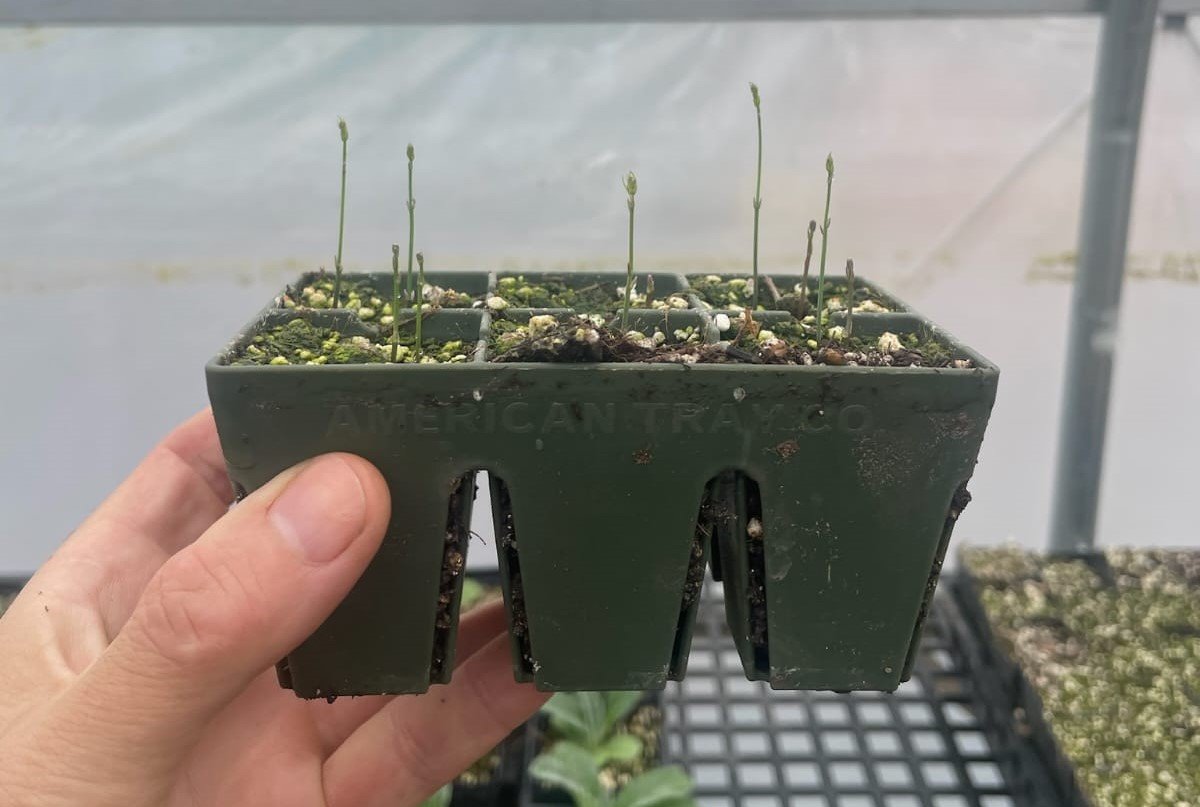
A dear friend of mine from our spiritual sangha, Venetia – shared an amazing analogy from her farm. She told us about how delicate and fragile the fresh sprouts of asparagus are, but I never realized exactly how delicate till she shared this image:
And what’s the point here?
Everything starts out small – but the good habits are like the baby asparagus we want to grow, and they are fragile and delicate, especially in the beginning. Bad habits, like weeds, however, don’t need any special care from us, and can grow up easily, and monopolize extracting the water and nutrients that our baby asparagus so desperately needs to survive. Very soon, their stalks are stronger and crowd much higher taking away, even the sunlight from our baby asparagus, which then withers away.
A good gardener, tirelessly removes the weeds and supports the baby asparagus – and the job is never done, because the minute he/she would rest, the weeds would pop back up. This is because weeds, or bad habits have had quite a head start, and are now ingrained in our muscle memory. Bad habits often give the body whatever the senses crave (e.g., unlimited portions of fried, salty and sweet food, binge watching, social media scrolling etc.). Because they are appealing in the short run, they do not need special attention to nurture, and grow quite easily on their own. Tending to the good habits however, seems like a chore and a personal sacrifice. This could be, as a student, studying when your peer group is partying, reading books and scriptures, while your peer group is binge watching television, and eating healthy wholesome food in moderation, while your peer group is enjoying themselves at a nearby restaurant to a second helping of dessert after their decadent entrée.
But lets fast forward a few years. A well tended garden will yield a rich produce, the conscentious student will do well in his career, and make a honest comoftable living, a reader of books will be more knowledgable, and the healthy eater will avoid obesity, and ensuing cardiological issues, while having more energy.
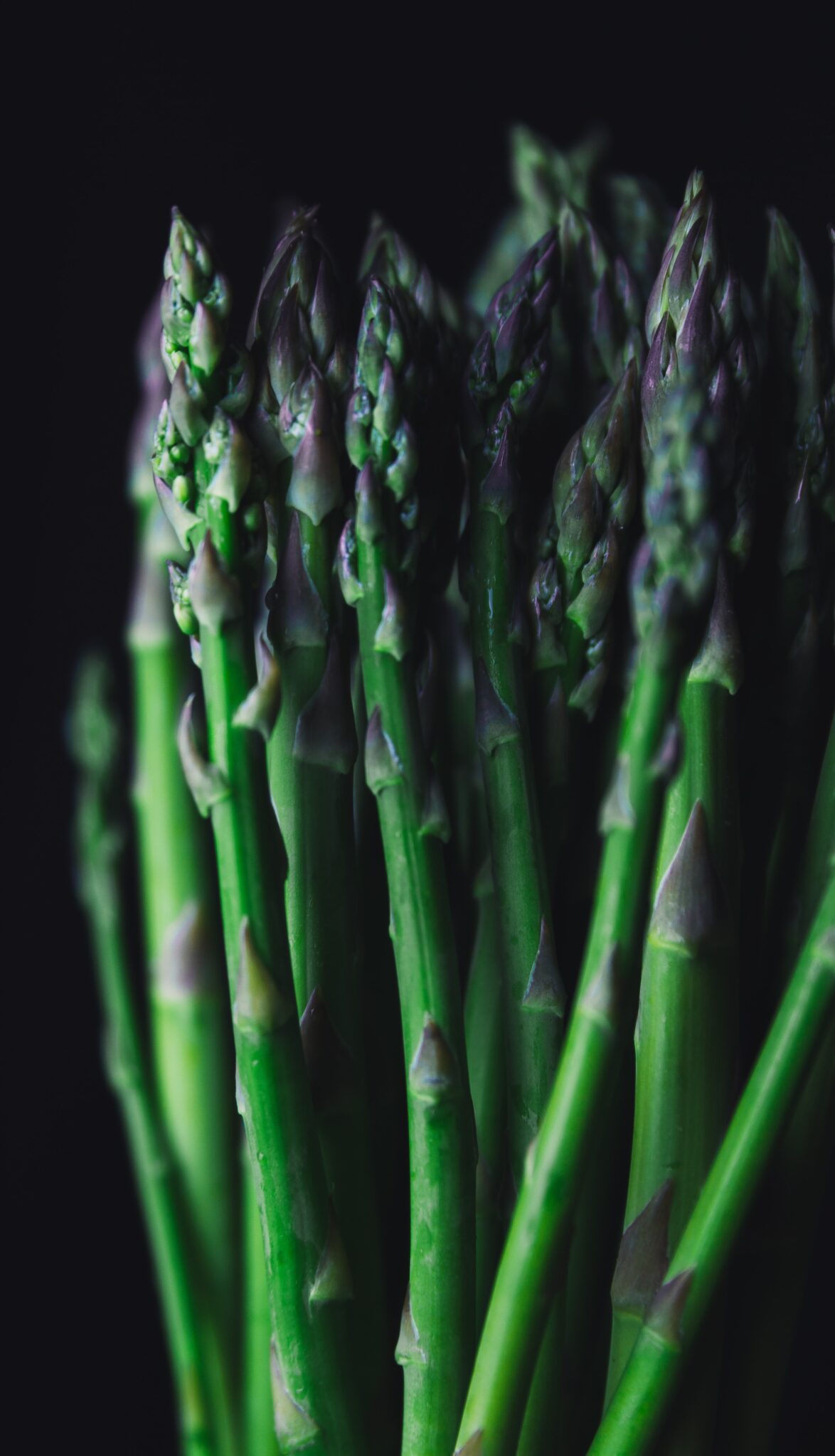
Look at how beautiful and STRONG, the baby asparagus grew up to be:
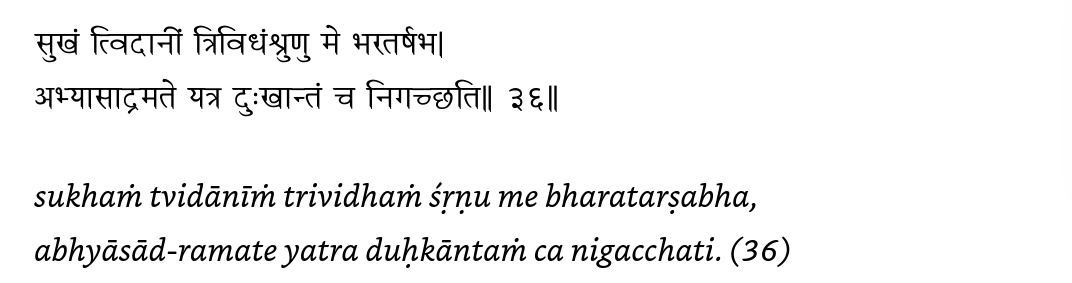
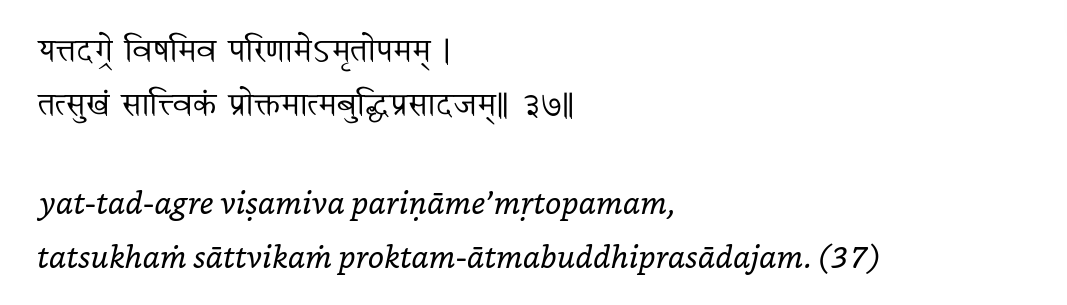
Therefore, you have the choice to do what’s easy and pleasing in the begining (Preya) – which would be neglecting your garden, or do what is difficult and tiring in the begining (Shreya) – and in doing so you will, over the years reap the corresponding results that will be either bitter (weeds, obseity, etc.) or sweet in the end (beautiful garden, healthy body etc.)
So the choice is YOURS!
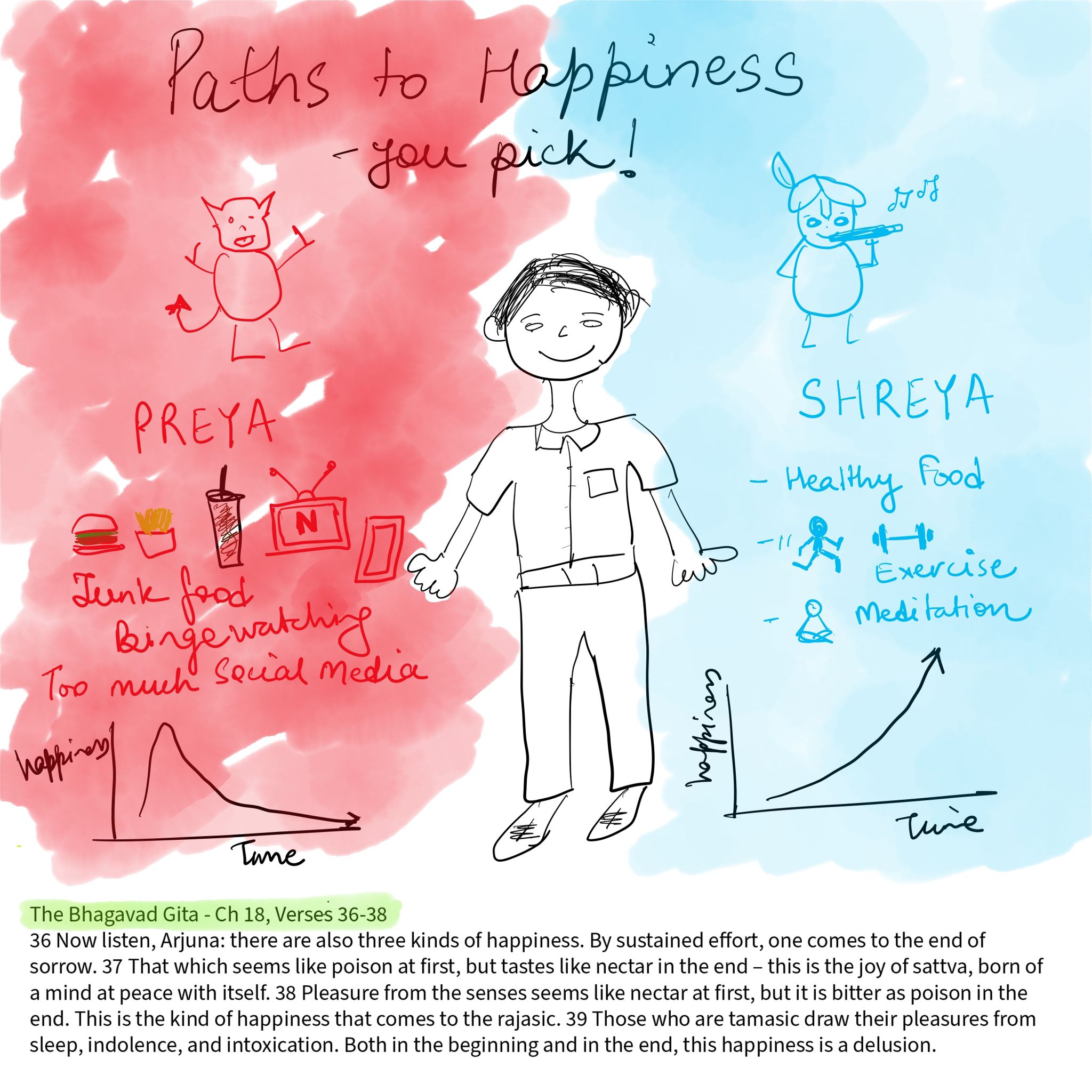
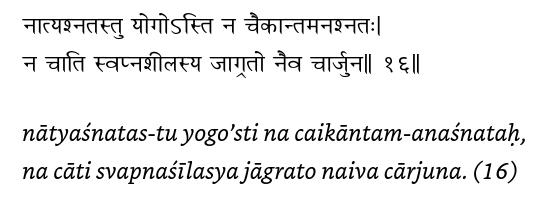
Bhagavad Gita, Chapter 18 Verses: